Release introduces proprietary design for mounting solar panels
16.10.25

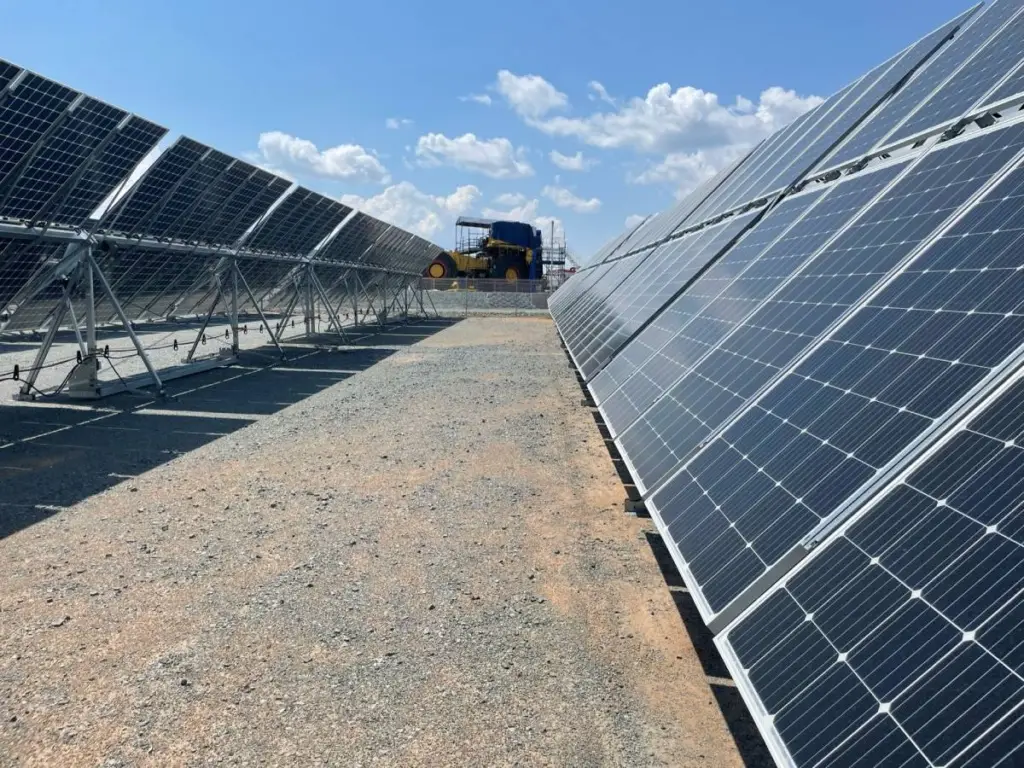
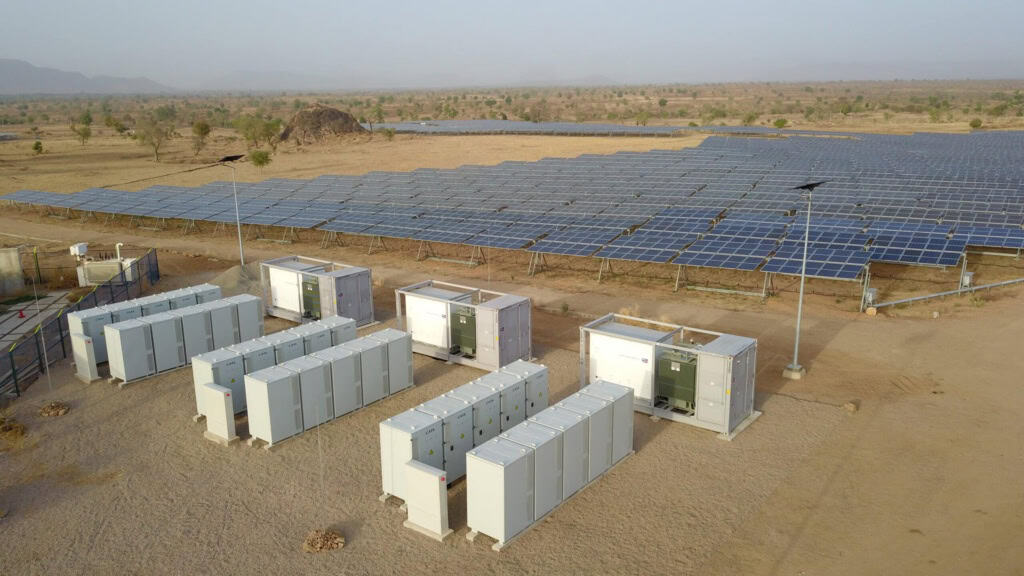
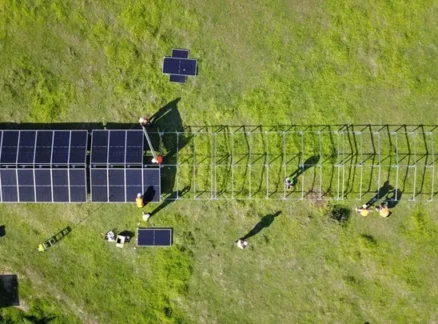
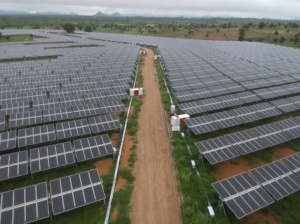
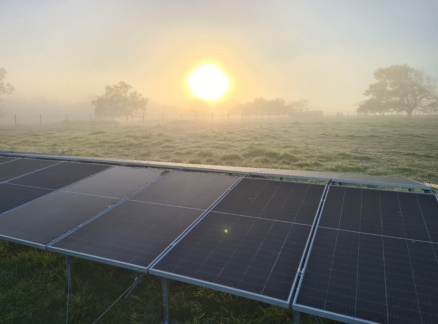
Release by Scatec has developed and launched a new solar panel mounting structure designed by its engineering team in South Africa. While the structure is deliberately simple, this simplicity is its strength. The design has been created to directly support the Release business model, offering a cost-efficient, flexible, and sustainable approach to implementing solar and battery projects in Sub Sahara Africa based on a “lease-to-own” structure. Standardized for use across projects, the design is simple to produce and quick to install without requirement for heavy machinery or specialized labour. It adapts easily to different site conditions and layouts, accommodates various solar panel types, and can be removed if a lease is terminated. By promoting the use of local labour, requiring minimal site preparation, and limiting environmental impact, the structure reflects Release’s focus on sustainable and scalable solutions.
“This innovation underscores Scatec’s commitment to innovation and to being a driving force in Africa’s solar industry,” said Alberto Gambacorta, Scatec’s EVP and General Manager for Sub-Saharan Africa. “By combining simplicity with efficiency, we are not only reducing cost and accelerating deployment timelines for increasing access to clean electricity but also supporting local employment and creating opportunities for local businesses.”
“The new structure is a testament to the skill and dedication of our South African engineering team,” added Release Chief Engineer, Abri Stegman. “They have delivered a design that is practical, robust, and tailored to the unique needs of our business model — a solution that will make a real difference in how we deliver projects.”
This milestone represents a significant contribution to Release’s growth strategy. Production of the structure will take place in South Africa for project opportunities in the local markets such as municipalities, farmers, and C&I customers, as well as for export across the African continent. The first projects to use the new structure will be in Liberia and Sierra Leone, marking the start of a broader rollout.